

 Español
 Português
 Українська
How to track your expenses (the simple way)
A beginner-friendly guide to tracking expenses consistently — the habits, methods and tools that actually stick.
By Spendient 2 min read June 7, 2026

Tracking expenses is the single most powerful money habit you can build. You can’t manage what you don’t measure — and once you see where your money goes, better decisions tend to follow. Here’s how to start without overcomplicating it.
1. Capture every expense
The goal is completeness, not perfection. Record every purchase, even small ones — coffees and app subscriptions add up faster than almost anything. The easiest approach is to log each transaction the moment it happens, while you still remember it. Whether that’s a notes app, a spreadsheet or a dedicated tracker matters less than doing it consistently.
2. Use categories
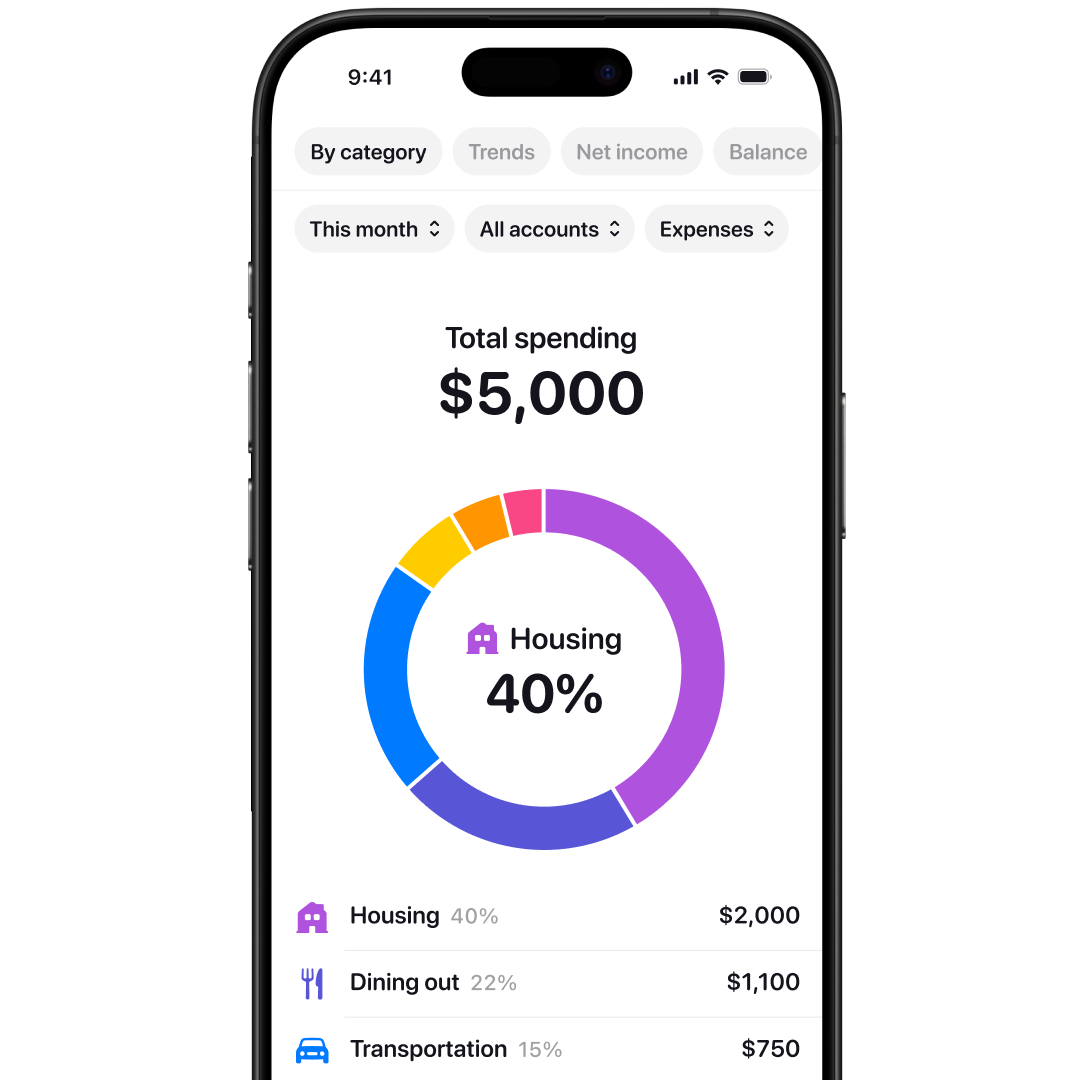
Group spending into a handful of clear categories — groceries, transport, eating out, bills. Categories turn a messy list of purchases into a story you can read at a glance. Start broad; you can always split a category later if it’s hiding something.
3. Review weekly
Once a week, spend five minutes looking back at your spending. Look for surprises: a category that’s higher than expected is usually where your next win is hiding.
4. Add a budget
Tracking shows the past; a budget shapes the future. Once you know your averages, set a simple monthly target per category — the 50/30/20 rule is an easy place to begin — and check your progress as the month goes on.
5. Make it effortless
The best system is the one you’ll keep using. Pick a method that fits you:
- Light and flexible: the 50/30/20 rule
- Fixed spending pots: envelope budgeting
- Maximum control: zero-based budgeting
A note on tools
A spreadsheet is free and flexible but easy to abandon; a dedicated app makes logging quick and keeps your history in one place. The right tool is whichever one you’ll actually open every day. If you’d rather not connect your bank, look for an app that supports fast manual entry.
The hardest part isn’t the tool — it’s the habit. Log one expense today, and again tomorrow, and you’re already ahead of most people.