
 Español
 Português
 Українська
How to track expenses without linking your bank account
You don't need to connect your bank to budget well. Here's how to track expenses manually — privately and accurately — and the trade-offs to expect.
By Spendient 2 min read June 7, 2026

Many budgeting apps ask you to connect your bank account so transactions import automatically. It’s convenient — but it isn’t the only way, and plenty of people would rather not hand over their bank login. The good news: manual tracking works well, and for some people it’s actually more effective.
Why skip bank linking?
- Privacy — your transactions aren’t shared with third-party aggregators.
- Security — there’s no bank login stored or synced anywhere.
- Awareness — logging a purchase yourself makes you notice it, which tends to curb overspending.
- Reliability — no broken bank connections or feeds that need re-authenticating.
The honest trade-off
Manual tracking takes a little more effort, and it’s possible to forget a transaction now and then. Automatic bank import is more complete and hands-off. Which matters more depends on you: if you value privacy and awareness, manual wins; if you want zero effort and total completeness, bank sync wins. Many people land on a middle path — manual for day-to-day cash and card spending, with a monthly check against their statement.
How to track expenses manually
- Log as you spend. Record each purchase the moment it happens, while it’s fresh.
- Categorize. Give each transaction a category so patterns become visible.
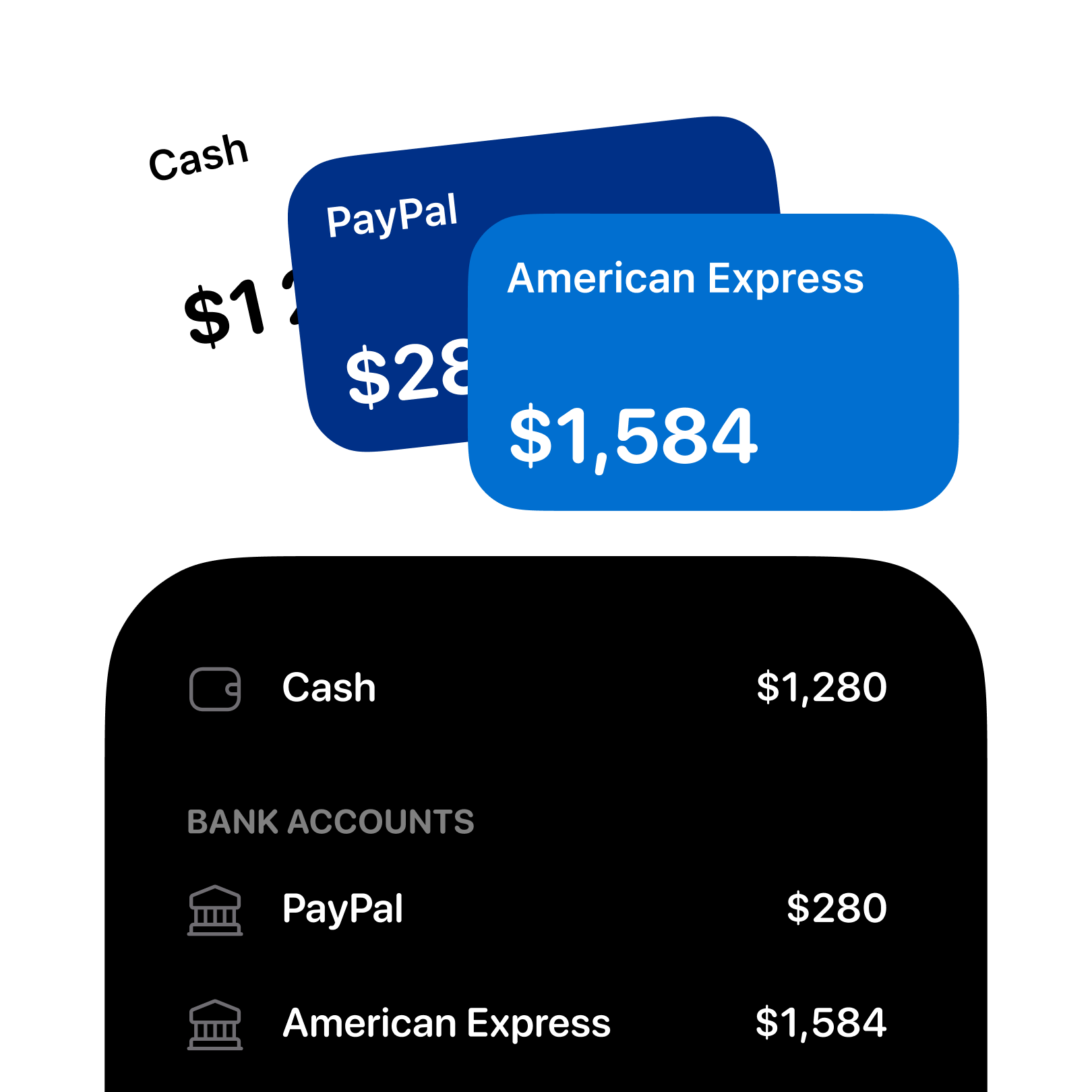
- Track all your accounts. Note cash, cards and e-wallets so the picture is complete.
- Review and budget. Look back weekly and set a simple monthly budget.
Make the habit lighter
The act of recording spending is itself valuable — budgeting traditions like kakeibo are built on exactly that mindfulness. To keep it sustainable, pick a tool with fast entry so a transaction takes a few seconds, and log in small moments (in the queue, on the walk home) rather than saving it all for the end of the day.
You don’t need a bank connection to understand your money — just a habit you can keep.