

 Español
 Português
 Українська
The 50/30/20 budget rule, explained
Learn how the 50/30/20 rule splits your income into needs, wants and savings — with a worked example, when it works best and when to choose something else.
By Spendient 2 min read June 7, 2026
The 50/30/20 rule is one of the simplest ways to budget. You split your after-tax income into three buckets:
- 50% needs — rent, groceries, utilities, transport, minimum debt payments
- 30% wants — eating out, subscriptions, hobbies, travel
- 20% savings & debt — emergency fund, investments, extra debt payments
That’s the whole framework. No spreadsheet full of categories, no daily math — just three numbers to stay inside.
A worked example
Say you take home $3,000 a month:
- $1,500 for needs
- $900 for wants
- $600 for savings and extra debt
If your needs creep above 50%, that’s a signal to trim fixed costs or grow your income. If your wants run hot, you’ll see it quickly.
Why it works
The 50/30/20 rule sticks because it’s flexible and simple. Most budgets fail from having too many rules; with only three buckets, it’s easy to keep up month after month. It also builds in a healthy habit — paying yourself first — because the 20% savings slice is part of the plan, not whatever happens to be left over.
Where it falls short
The rule is a starting point, not gospel. In high cost-of-living cities, “needs” can easily exceed 50%, leaving little room for the other buckets. If you’re aggressively paying off debt or saving for a near-term goal, you may want a larger savings share. Adjust the percentages to your reality — 60/20/20 or 50/20/30 are perfectly valid.
How to put it into practice
- Add up your after-tax monthly income.
- Sort your spending into needs, wants and savings.
- Compare your actual split to 50/30/20 and adjust one bucket at a time.
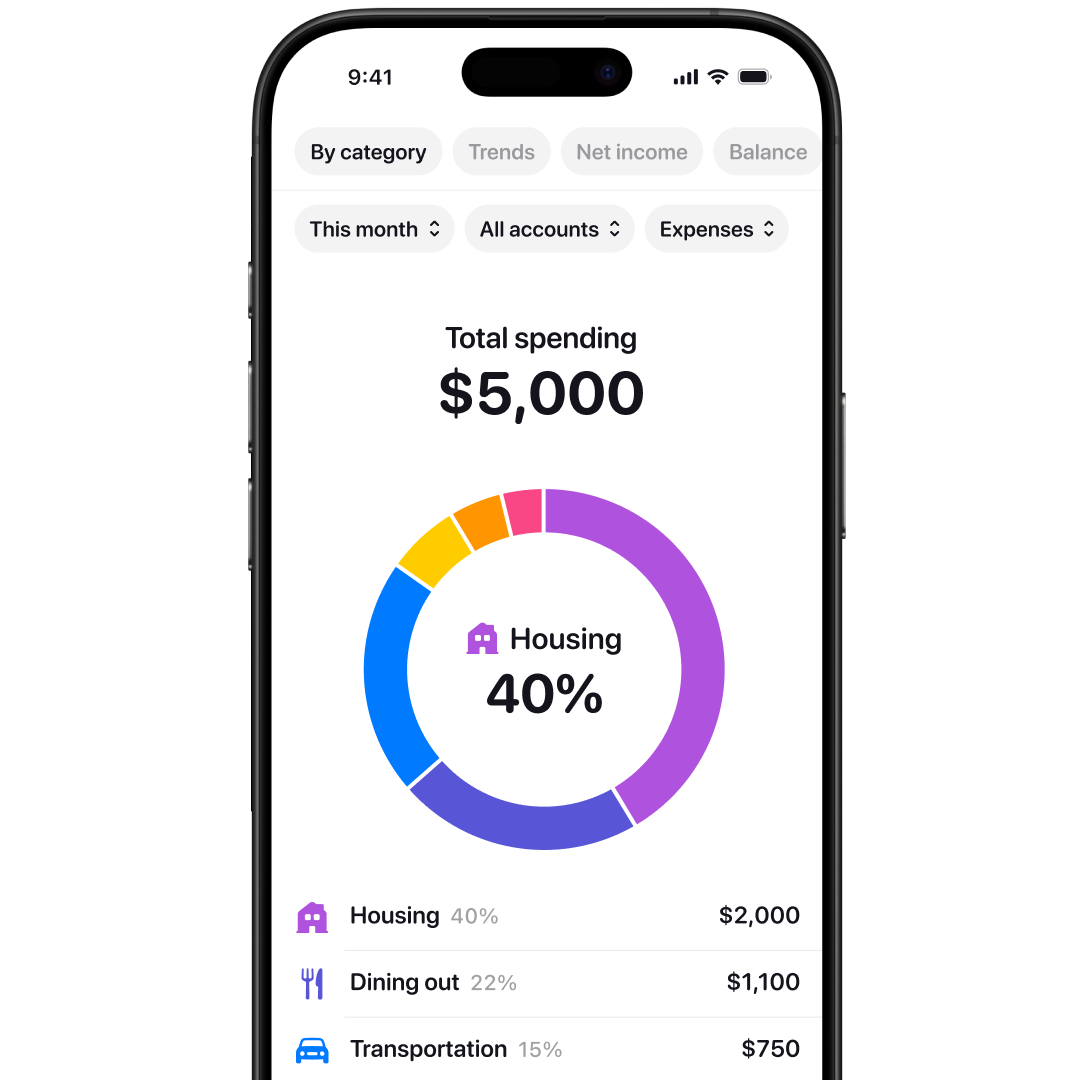
To do this you need to know where your money actually goes, so track your spending for a month first — a notebook, a spreadsheet or a money tracking app all work. Once you can see your real numbers, the percentages become easy to manage.
Related methods
If you want every dollar assigned a job, read about zero-based budgeting. If you prefer spending from fixed pots, look at envelope budgeting. The best method is simply the one you’ll keep using.