

 Español
 Português
 Українська
How to stop overspending: 8 practical tips
Overspending is a habit, not a character flaw. Here are eight practical, proven ways to rein it in and keep more of what you earn.
By Spendient 2 min read June 7, 2026

Overspending rarely comes from one big purchase — it’s the steady drip of small, unnoticed ones. The fix usually isn’t more willpower; it’s a few systems that make the good choice the easy one. Here are eight that work.
1. Track everything
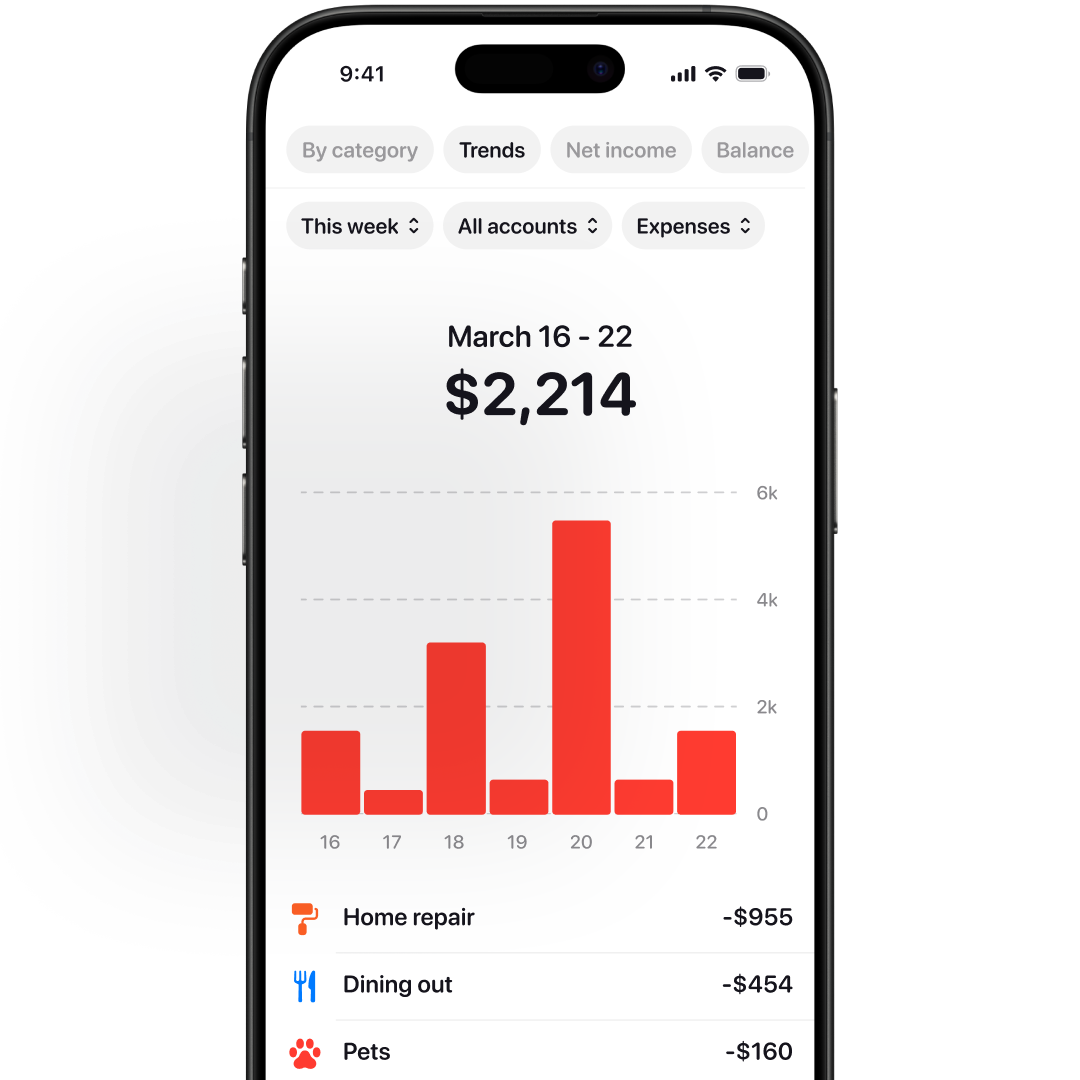
You can’t fix what you can’t see. Start by tracking every expense for a few weeks so the leaks become obvious.
2. Set category limits
Give each spending category a monthly limit and watch how close you are to it. A visible limit is a powerful brake — that’s the whole idea behind envelope budgeting.
3. Use a 24-hour rule
For non-essential buys, wait a day. Most impulse urges fade, and the ones that don’t are probably worth it.
4. Find your trigger categories
Look back at your spending for the categories that always run hot — usually eating out, subscriptions or online shopping — and target those first.
5. Cancel silent subscriptions
Recurring charges are the quietest budget killers. List them all and cut what you don’t use; even a few small ones add up to real money over a year.
6. Pay with more friction
Spending physical cash — or logging each card purchase by hand — makes you feel the cost in a way that tap-to-pay doesn’t. See cash stuffing for a hands-on version.
7. Give every dollar a job
When your income is fully assigned, there’s no “spare” money to overspend. That’s the principle behind zero-based budgeting.
8. Review weekly
Five minutes a week keeps you honest and catches problems while they’re still small.
Where to start
You don’t need all eight at once. Pick the two that fit your biggest leak and apply them this week — small, consistent changes beat a total overhaul you can’t maintain.